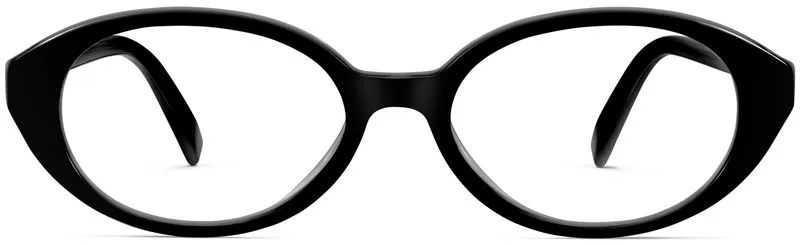
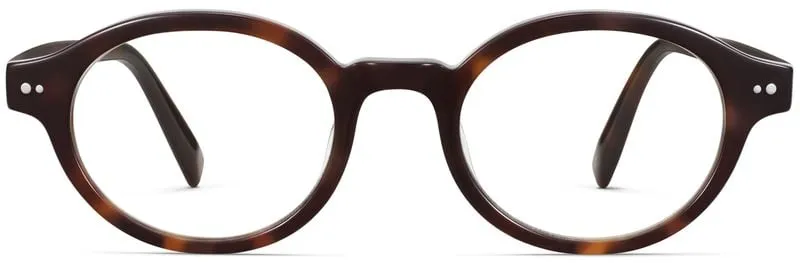
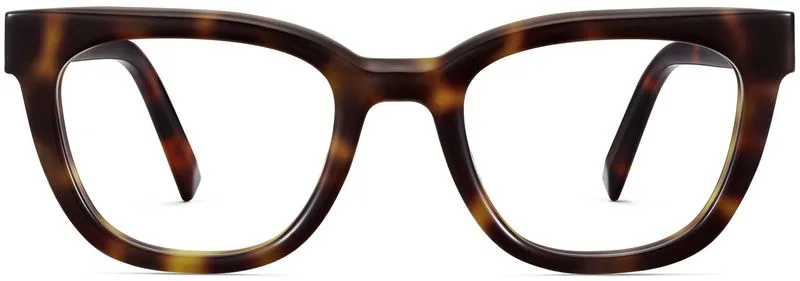
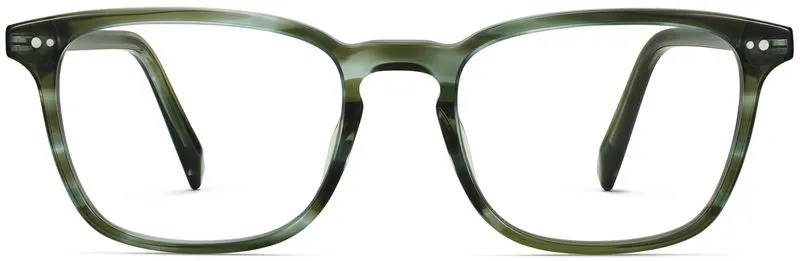
Warby Parker and Zenni both sell glasses online without a traditional optical markup, but they are playing very different games. Warby Parker launched in 2010 and effectively popularized the home try-on model, pairing a curated in-house design team with a polished retail experience and a growing footprint of physical stores. Zenni, founded in 2003, went the other direction: a massive online catalog, no showrooms, and prices that undercut almost everyone.
Price is the clearest split. Warby Parker single-vision frames start around $95 and most styles sit in the $95-$195 range with lenses included. Zenni frames commonly run from about $6.95 up to around $100, with lens upgrades billed separately. A complete pair at Zenni can cost less than shipping fees elsewhere.
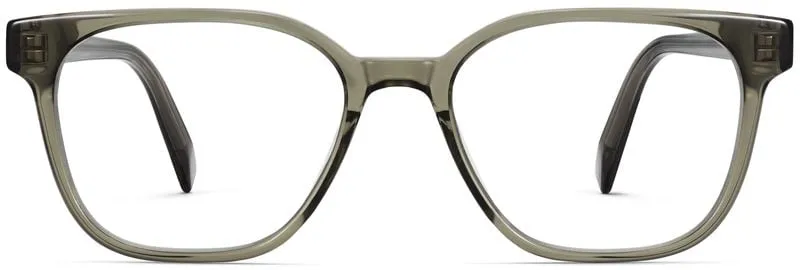
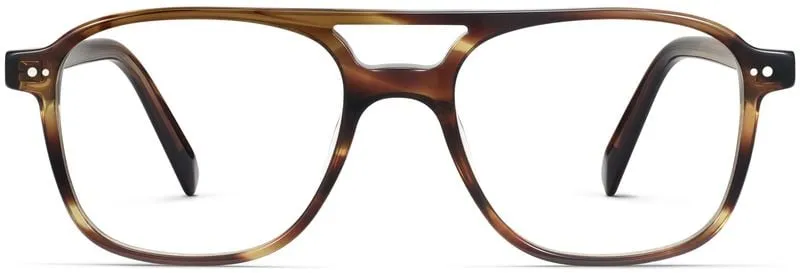
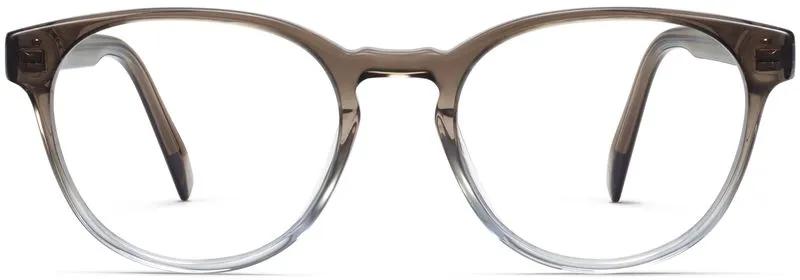
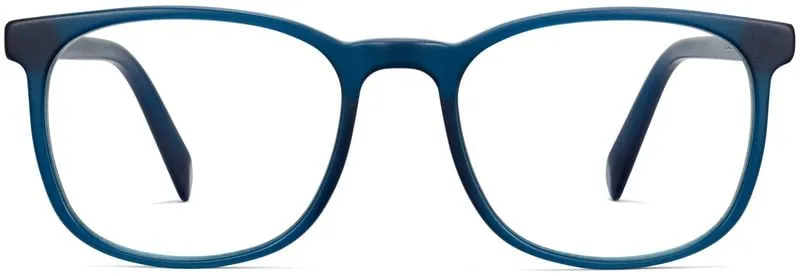
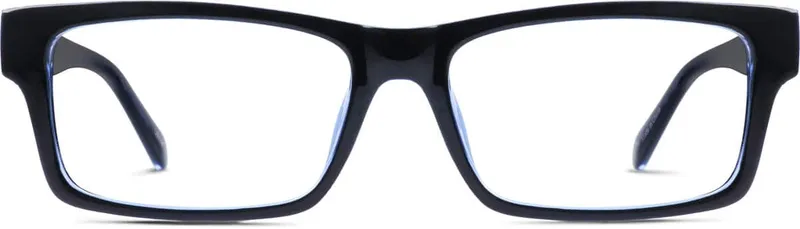
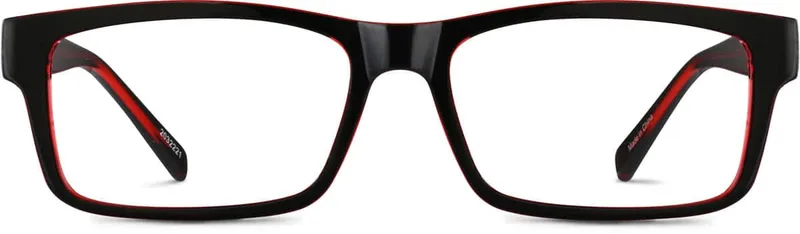
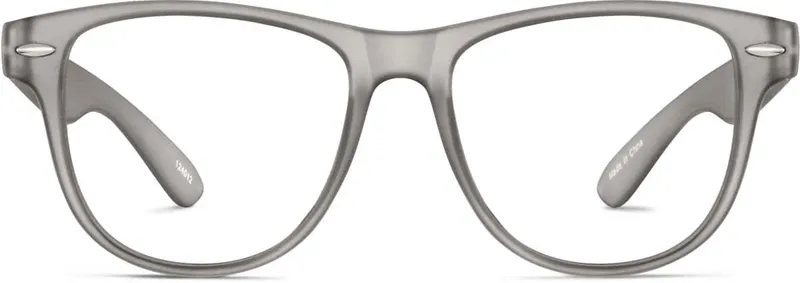
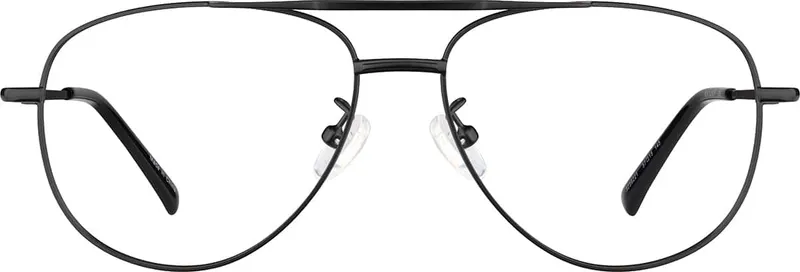
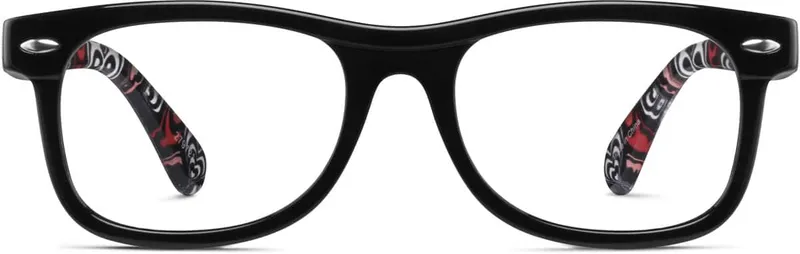
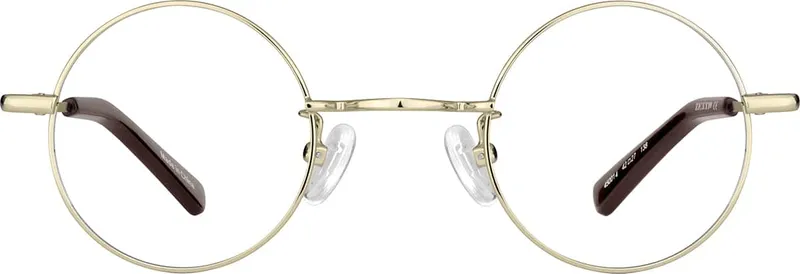
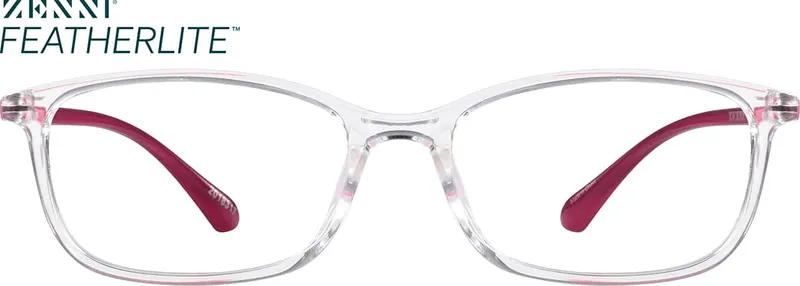
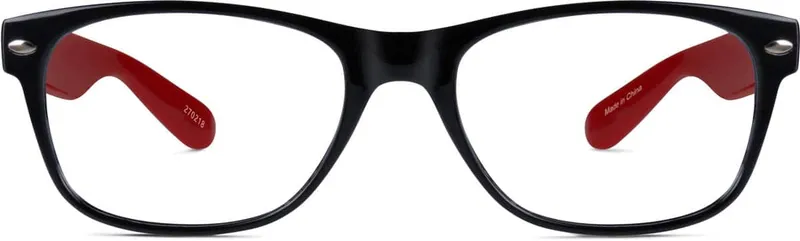
Aesthetically, Warby Parker is preppy-modern: keyhole bridges, pastel acetates, slim metals, and a consistent design language across collections. Zenni's catalog is much broader and less curated, spanning trend-driven shapes, deep-budget staples, kids' frames, and niche sport and blue-light options.
Warby Parker is for the shopper who wants a small, thoughtful set of choices, predictable quality, and easy returns with physical backup. Zenni is for the shopper who knows their prescription and pupillary distance, wants to experiment with multiple pairs, or simply needs the lowest possible entry price.
Both brands are legitimate choices at different budgets. Scroll down to compare current Warby Parker and Zenni frames side-by-side and see which aesthetic and price tier fits your needs.